
Last updated: July 2026
Leonardo AI has quietly become one of the most credible alternatives to Midjourney. Unlike Midjourney, Leonardo AI runs through a clean web app rather than Discord, and it adds a genuinely useful free tier on top. This Leonardo AI review breaks down what the platform actually does, how its token-based pricing really works, and whether it’s worth choosing over more established names in AI art generation.
What Is Leonardo AI?
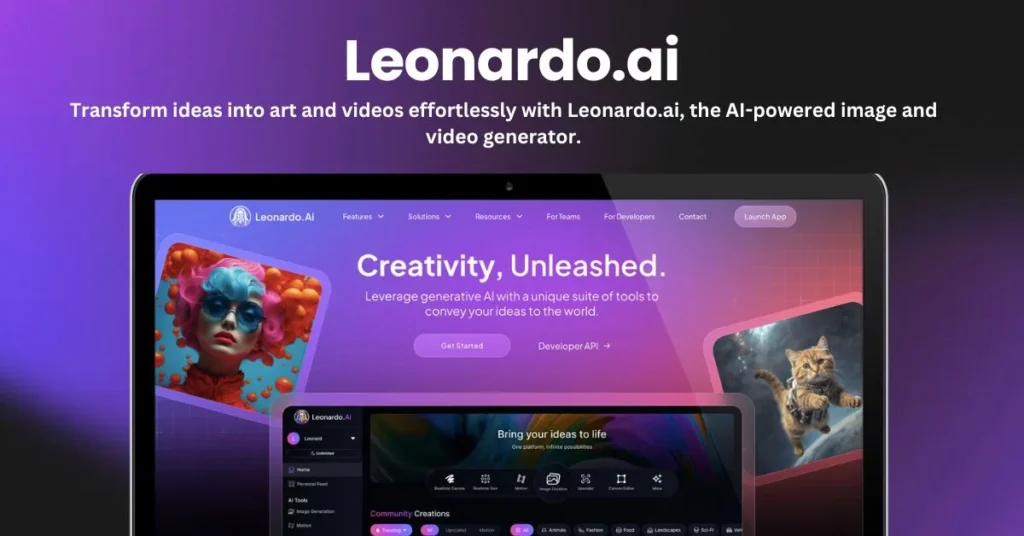
Leonardo AI is an AI image generation platform built for creative professionals. Game developers, graphic designers, marketers, and concept artists all use it daily. Beyond simple text-to-image generation, Leonardo AI offers fine-tuned custom models, a real-time canvas editor, motion generation, and 3D texture creation. In short, Leonardo AI positions itself as a broader creative toolkit, not a single-purpose prompt box.
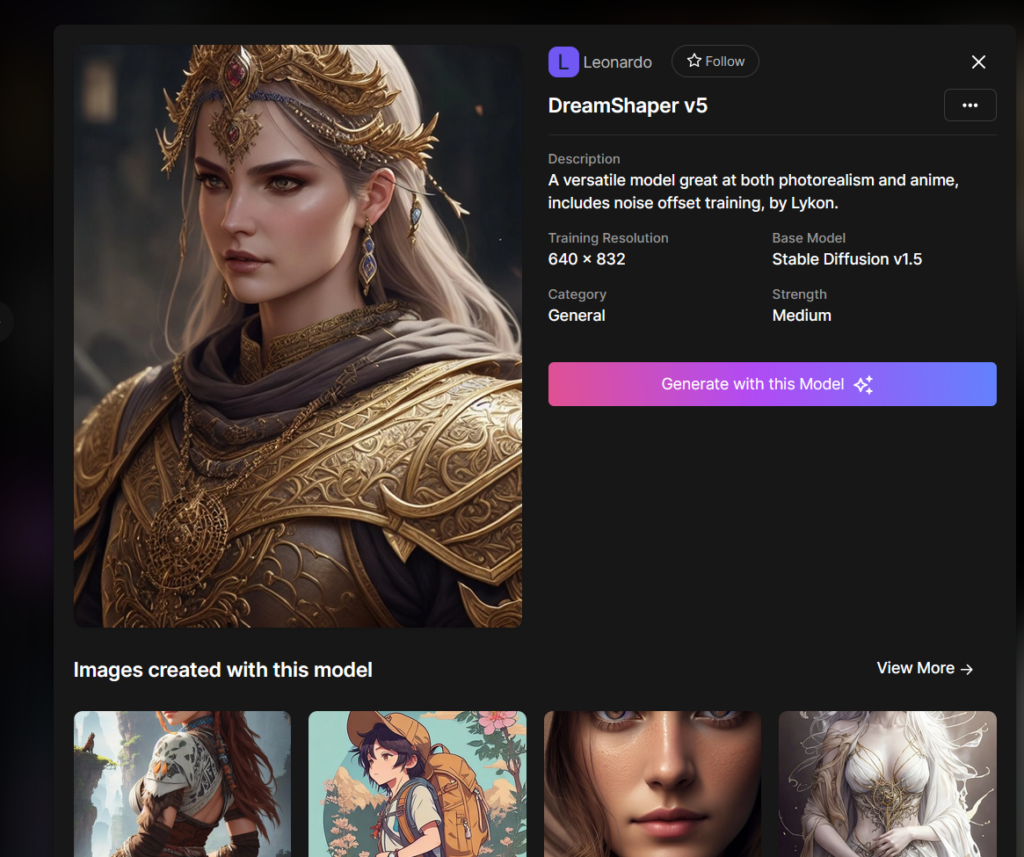
Over 1.2 million artists have used Leonardo AI to generate more than 1 billion artworks combined. That scale puts Leonardo AI firmly among the top tier of AI image platforms, alongside Midjourney and DALL-E. One detail sets Leonardo AI apart structurally: rather than offering only its own in-house models, the platform also lets users access third-party models — including Veo, Kling, Flux, and Ideogram — through a single interface. As a result, a Leonardo AI subscription can replace several separate AI subscriptions at once.
How Does Leonardo AI’s Pricing Actually Work?
Leonardo AI uses a token-based credit system. Each image generation consumes a variable number of tokens, depending on the model, resolution, and features used. A standard image might cost 4-6 tokens, while advanced features like the “Alchemy” refiner can push that to 10-15 tokens per image. Consequently, the same daily token allowance can produce very different numbers of images depending on your settings.
Worth flagging directly: Leonardo AI’s plan names have shifted during 2026. Earlier in the year, some pages listed tiers as “Essential,” “Premium,” and “Ultimate.” More recent naming uses “Apprentice,” “Artisan,” and “Maestro” instead, at similar price points. If you’re comparing Leonardo AI pricing across different sources, that naming change — not an actual price hike — is often the source of confusion.
Leonardo AI Pricing: Every Plan Explained
Here’s exactly what each current Leonardo AI plan includes.
| Leonardo AI Plan | Price | Monthly tokens | Key features |
| Free | $0/month | 150/day, no rollover | Standard models, public community gallery |
| Apprentice | $12/month ($10/month billed annually) | ~8,500/month | Alchemy, private images, commercial usage rights |
| Artisan | $24/month ($20/month billed annually) | ~25,000/month | Real-time canvas, image-to-image, API access |
| Maestro | $48/month ($40/month billed annually) | ~60,000/month | Custom model training, 3D texture generation |
Annual billing on Leonardo AI generally saves 15-20% compared to paying monthly. All paid plans include commercial usage rights, while free-tier images stay public in Leonardo’s community gallery by default — worth knowing if privacy matters for your project.
Two billing details deserve extra attention. First, free-plan tokens reset every 24 hours but never carry over; unused daily tokens simply disappear. Second, and more importantly, multiple user reports indicate that purchased tokens are removed entirely upon cancelling a Leonardo AI subscription, even mid-billing-period. That’s a stricter policy than platforms where remaining credits stay usable through the period you’ve already paid for.
Leonardo AI Features: What You Actually Get
Leonardo AI’s feature set covers far more than static images.
Text-to-image generation. Leonardo AI’s own Lucid Origin, Lucid Realism, and Phoenix models offer relaxed-mode access on paid plans, alongside metered access to third-party models.
Real-time Canvas. Available from Artisan upward, this lets you sketch or adjust an image and see results update instantly, rather than waiting for a one-shot prompt.
Custom model training. On Maestro, Leonardo AI lets you train fine-tuned models on your own reference images, useful for consistent characters or brand styles.
3D texture and motion generation. Beyond static images, Leonardo AI supports texture creation for 3D assets and basic motion generation, extending use cases into game development.
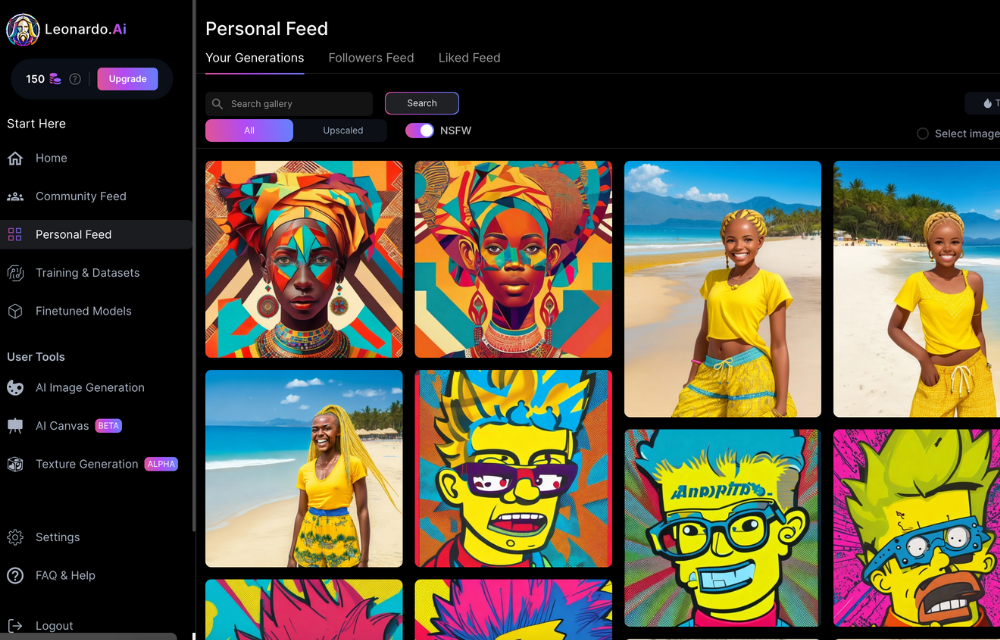
A clean web interface. Unlike Midjourney’s Discord-based workflow, Leonardo AI runs through a standard web app, which most users find considerably more direct.
Leonardo AI Strengths
Reviewers consistently highlight the same advantages.
A genuinely generous free tier. 150 tokens a day, resetting every 24 hours, gives real daily creative exploration at no cost — more generous than Midjourney, which has no free tier at all.
A clear cost advantage over Midjourney. Independent comparisons note that Leonardo AI’s $12/month plan unlocks fine-tuned models and real-time canvas, features Midjourney charges roughly double for at a comparable tier.
A broader creative toolkit. 3D texture creation and motion generation make Leonardo AI genuinely useful for game developers, not just marketers needing static images.
Transparent billing. Leonardo AI’s token usage dashboard is clear, making it easy to see exactly how much of your allowance remains.
Leonardo AI Weaknesses
A few drawbacks are worth knowing before you subscribe.
Unpredictable token consumption. Because features like Alchemy can double the token cost per image, the same monthly allowance can produce very different image counts depending on settings.
Tokens are lost on cancellation. As noted above, cancelling appears to forfeit remaining tokens, a stricter policy than some competitors.
Public images on the free tier. Anyone needing privacy for early-stage work must commit to a paid Leonardo AI plan immediately.
Confusing historical plan naming. The shift from Essential/Premium/Ultimate to Apprentice/Artisan/Maestro makes older reviews potentially misleading.
Leonardo AI vs. Midjourney
The most natural comparison for Leonardo AI is Midjourney, still widely regarded as producing the strongest raw artistic quality. Midjourney, however, has no free tier and requires a Discord-based workflow that many professionals find less direct. Leonardo AI’s entry-level plan costs meaningfully less than Midjourney’s cheapest option while unlocking comparable core features. For users prioritizing pure artistic output, Midjourney may still edge ahead; for users wanting an accessible interface and a broader toolkit, Leonardo AI offers stronger overall value.
Who Is Leonardo AI Actually For?
Game developers benefit from Leonardo AI’s 3D texture generation and custom model training.
Marketers and content creators get strong value from Apprentice, where fine-tuned models cover most day-to-day marketing needs at a fraction of Midjourney’s cost.
Hobbyists can genuinely explore Leonardo AI’s core capabilities on the free tier alone.
Professional artists needing brand-consistent models over time are the clearest fit for Maestro’s custom training.
Frequently Asked Questions About Leonardo AI
Is Leonardo AI free to use? Yes. Leonardo AI’s free plan provides 150 tokens per day, enough for roughly 25-50 standard images, though images remain public in the community gallery.
How much does Leonardo AI cost per month? Paid Leonardo AI plans start at $12/month ($10/month billed annually) for Apprentice, rising to $24/month for Artisan and $48/month for Maestro.
Does Leonardo AI allow commercial use? Yes, all paid Leonardo AI plans include commercial usage rights. Free-tier images remain public and are intended for testing.
What happens to unused tokens if I cancel? Based on multiple user reports, accumulated tokens are typically forfeited upon cancellation. Confirm current terms directly with Leonardo AI first.
Is Leonardo AI better than Midjourney? It depends on your priority. Midjourney generally edges ahead on raw artistic quality, but Leonardo AI offers a stronger free tier and a more accessible interface at a lower price.
Can I train a custom model on Leonardo AI? Yes, custom model training is available on the Maestro plan.
Leonardo AI for Game Developers: A Closer Look
Game development deserves special attention, since it’s where Leonardo AI genuinely separates itself from most competitors. Static image generators handle marketing visuals well, but they rarely address the specific needs of asset pipelines. Leonardo AI does, largely because of two features: custom model training and 3D texture generation.
Custom model training matters most for consistency. A game with dozens of characters needs a unified art style across every single asset. Without a fine-tuned model, each new generation risks drifting stylistically from the last. With Leonardo AI’s Maestro tier, a studio can train a model on existing concept art, then generate new assets that stay visually consistent with the established style. As a result, small teams without a dedicated art director can maintain a coherent look across an entire project. This matters especially for indie studios, where hiring a full-time art director simply isn’t in the budget, yet visual consistency still determines whether a game feels polished or amateurish to players.
3D texture generation solves a different problem. Traditionally, texturing a 3D model requires either manual painting or expensive photogrammetry equipment. Leonardo AI’s texture tools let developers generate believable surface textures directly from prompts, then apply them to existing 3D geometry. This doesn’t replace a skilled texture artist entirely, but it meaningfully speeds up early prototyping, when teams need to iterate quickly before committing to a final art direction.
Leonardo AI Alternatives Worth Knowing
Leonardo AI isn’t the only option in this space, and it’s worth knowing where the alternatives stand. Midjourney, covered above, remains the strongest pure artistic competitor. Stable Diffusion, run locally or through various hosted platforms, offers more technical control for users comfortable with open-source tools, though it demands more setup than Leonardo AI’s polished web interface. DALL-E, accessible through ChatGPT Plus, bundles image generation with general AI chat access, which appeals to users who also want a conversational assistant.
For most creators, the decision comes down to priorities. Leonardo AI wins on breadth: a generous free tier, 3D and motion tools, and access to multiple third-party models in one place. A narrower tool might edge ahead for one specific task, like Stable Diffusion’s fine-grained technical control, but few competitors match Leonardo AI’s combination of accessibility and creative range. Freelance illustrators and solo indie developers, in particular, tend to find Leonardo AI’s Apprentice tier hits a sweet spot: enough tokens for regular work, without the setup overhead that open-source alternatives demand.
Our Final Verdict on Leonardo AI
Bringing this Leonardo AI review together, here’s how it scores across the categories that matter most:
| Categorya | Score (out of 5) | Why |
| Image quality | 4 | Strong across models; Midjourney still edges ahead on pure output |
| Pricing transparency | 3,5 | Generous free tier, but token consumption is hard to predict |
| Feature depth | 4,5 | Canvas, 3D textures, and multi-model access are genuinely broad |
| Ease of use | 4,5 | Clean web interface beats Midjourney’s Discord workflow |
| Value for money | 4,2 | Entry plan meaningfully undercuts Midjourney |
| Overall | 4,1/5 | A strong, versatile AI image platform for teams needing more than static images |
Bottom line: Leonardo AI earns its reputation as one of the most well-rounded AI image platforms in 2026, especially for game developers needing 3D and motion capabilities. The free tier is worth exploring first, and Apprentice offers strong value for anyone who outgrows it — just confirm the cancellation policy before committing to a higher tier.
_________________________________________________________________________________________________________
Transparency note: This Leonardo AI review draws on the platform’s official pricing page, independent 2026 pricing analyses, and verified user reports on billing practices, rather than first-hand, long-term production use across every paid tier. Pricing and plan names have changed more than once in 2026 — always confirm current details on Leonardo AI’s official pricing page before subscribing.